
How to Find a Good General Contractor You Can Trust
Let's be honest, picking a general contractor can feel like a massive gamble. This one decision can make or break your entire project, determining whether you get a masterpiece or a money pit. You're not just hiring someone to swing a hammer; you're looking for a genuine partner who understands your vision and has the proven expertise to bring it to life.
Your No-Nonsense Guide to Hiring the Right Contractor
A great contractor is worth their weight in gold, making the whole process feel smooth and even enjoyable. The wrong one? Well, that's a one-way ticket to blown budgets, missed deadlines, and a migraine that won't quit. This guide is here to help you sidestep the chaos and find a professional you can actually trust.
After 21+ years of proven results and building legacies in communities like Fayetteville and Lumberton, we've learned a thing or two at SEGC. The most important lesson? Trust is the real foundation of any project. It's not just about the structure; it's about the relationship.
Here's what you should be looking for in a true construction partner:
- A solid reputation and deep roots in the local community.
- Credentials that prove their legitimacy and commitment to quality—things like our Native American-owned, 8(a), and HUBZone certifications.
- A long list of happy clients and a portfolio that speaks for itself.
Armed with this knowledge, you can ditch the guesswork and hire with total confidence.

Building Your A-List of Potential Contractors
So, where do you even start? Forget scrolling endlessly through generic search results. The real gems are found through word-of-mouth from people who live and breathe this industry every day.
Think local architects, commercial real estate agents, and even the folks at the building supply yards. These people have seen it all—they know who shows up on time, who communicates clearly, and who consistently delivers top-notch work. Their recommendations are pure gold because their own reputations are on the line.
A contractor's reputation within their own community speaks volumes. Take a company like SEGC, with deep roots in places like Fayetteville and Lumberton. A firm that's been a local leader for over 21 years isn't just building structures; they're building trust, one project at a time. That kind of history is hard to fake and demonstrates a deep commitment to the community's success.
Your mission here is to create a focused shortlist of 3-5 serious contenders. Any more than that, and you'll get bogged down. Any less, and you might not have enough options. Keeping the list tight ensures you're only investing your time in the best of the best.

If you're looking for more insider tips on spotting the right builders from the start, we've put together a deeper dive on how to find a good contractor.
How to Vet a Contractor's Credentials and Stability
Alright, you've got a shortlist. Now comes the real detective work—the part that separates the pros from the pretenders. This isn't about gut feelings; it's about hard facts. Digging into a contractor's credentials is the single most important thing you can do to protect your project. Think of it as your financial and legal safety net.
So, what are we looking for? Start with the non-negotiables: their state license, proof of general liability insurance, and workers' compensation coverage. Don't just take their word for it—ask for the actual certificates. You'll also want to inquire about their bonding capacity, which tells you the size and scope of projects they're financially equipped to handle.
Certifications can also speak volumes about a company's character and stability. For instance, here at SEGC, our Native American-owned, 8(a), and HUBZone statuses aren’t just badges. They represent our commitment to excellence and mean we've passed some of the most intensive vetting processes required by the federal government, proving our stability and unwavering commitment to quality.
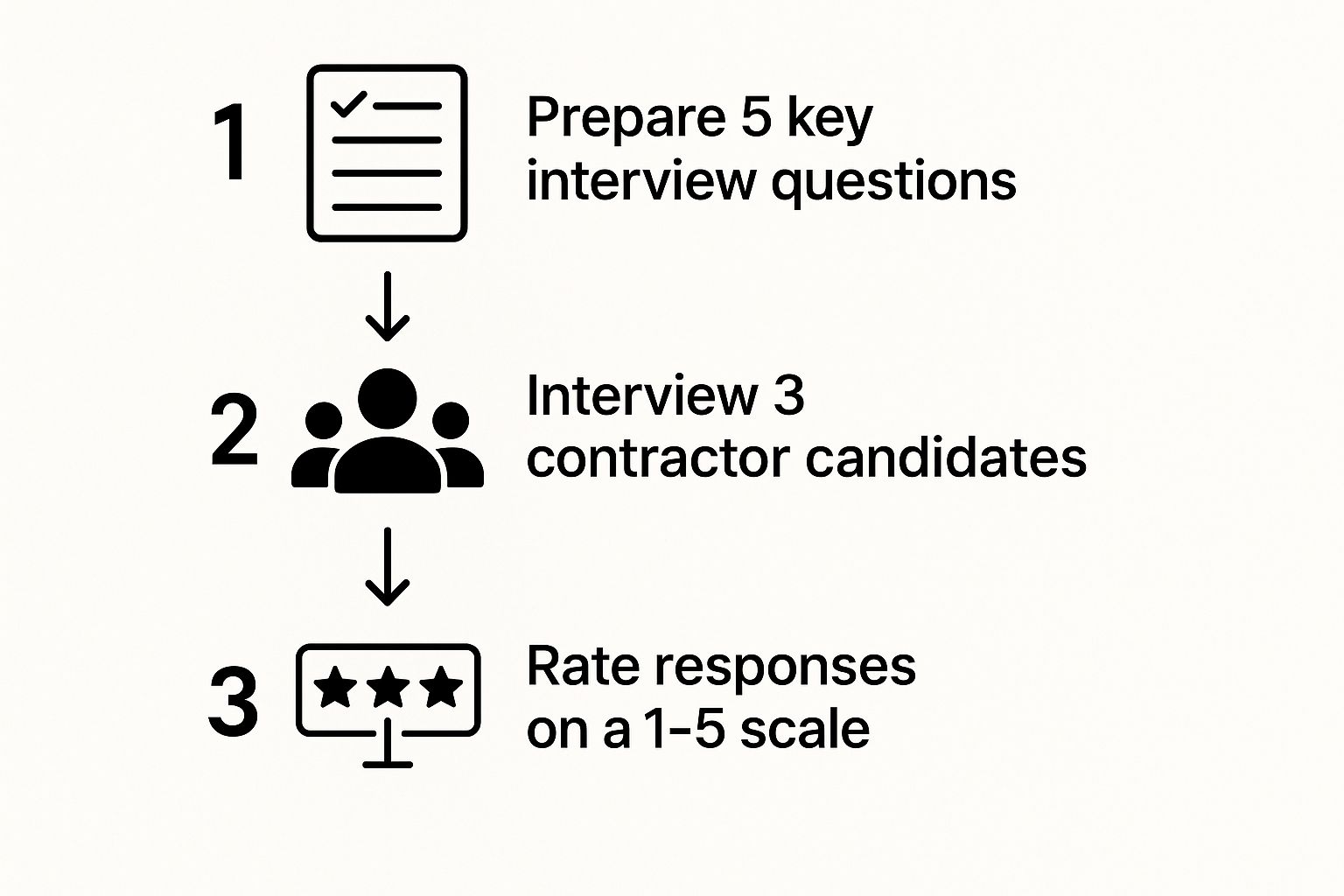
Here's a quick checklist to make sure you're covering all the essential bases when you're checking out a potential partner.
Essential Contractor Credentials Checklist
| Credential Check | What to Look For | Why It Matters |
|---|---|---|
| State License | An active, valid license in your state. Verify it on the state licensing board's website. | It's the law. An unlicensed contractor offers zero legal protection if things go wrong. |
| General Liability Insurance | A current Certificate of Insurance (COI) with adequate coverage for your project's value. | Protects your property from damage caused by the contractor or their team. Without it, you could be liable. |
| Workers' Compensation | Proof of active workers' comp insurance for all their employees and subcontractors. | Protects you from liability if a worker is injured on your job site. This is a big one. |
| Bonding Capacity | A letter from a surety company stating their single project and aggregate bonding limits. | Shows they have the financial stability to complete a project of your size and guarantees project completion. |
| Industry Certifications | Certifications like LEED, HUBZone, or other specialized training relevant to your project. | Demonstrates a commitment to their craft, specialized expertise, and adherence to the highest industry standards. |
Working through this checklist for each candidate ensures you're comparing apples to apples and making a decision based on solid, verifiable information.
It’s also no secret that the construction industry is grappling with a massive labor shortage—a staggering 94% of firms are having trouble finding skilled workers. That's why you have to ask how they plan to staff your project. Do they have a reliable, long-term team, or are they scrambling? A company with deep local roots, like ours, often has a more stable and experienced workforce.
These checks are absolutely vital. For a deeper dive into this part of the process, our guide on how to choose a general contractor breaks it down even further.
Asking the Right Questions in the Interview
You’ve done the legwork and have a solid shortlist. Now for the most crucial part: the interview. This is where you separate the paper tigers from the real pros. It’s less about their resume—you’ve already checked that—and more about seeing if you can actually build a trusting partnership with this person for the next several months.
This conversation is your chance to get a feel for their personality, communication style, and how they handle the inevitable curveballs a project will throw. How do they solve problems under pressure? Are they a true partner or just a hired gun? You’re looking for a gut feeling that says, "This is someone I can trust with my investment."
Don't just fixate on the bottom-line number. You need to dig deeper to understand the value and expertise they bring.
Go Beyond the Bid
I always tell clients to ask pointed questions that reveal a contractor's true process. Forget the easy stuff; get into the nitty-gritty.
- How do they handle job site safety? What's their protocol?
- What’s their process for change orders? (Because they will happen.)
- How often, and in what format, will you receive project updates?
On a recent SEGC project over in Lumberton, a key material got stuck in a supply chain nightmare. Because we had a system for constant, clear communication, we were able to pivot with the client instantly, source an alternative through our local network, and keep the project on track without a massive delay. That’s the kind of proactive partnership and local leadership you’re looking for.
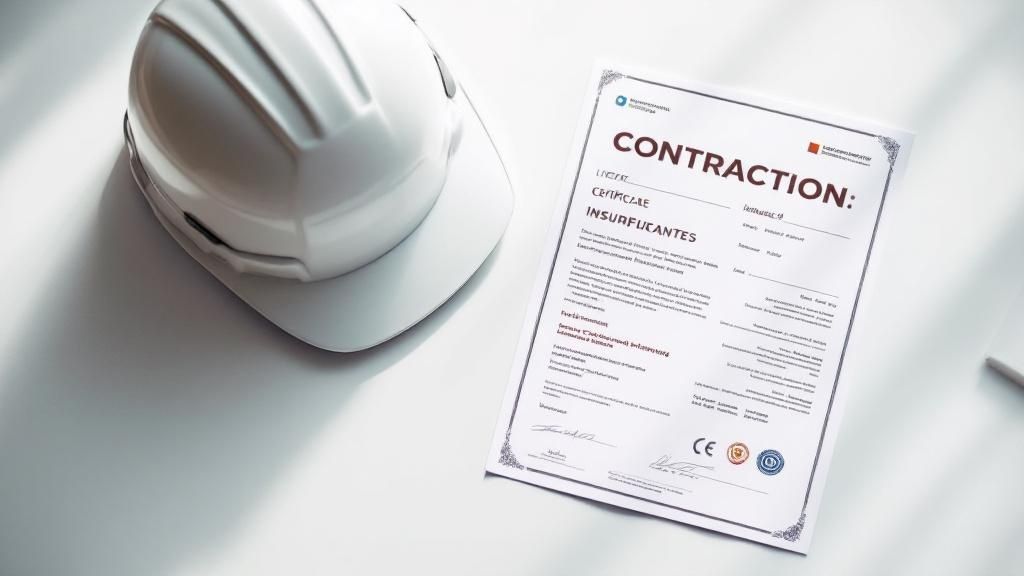
Think of it less as an interrogation and more as a conversation to find the right fit. Building real trust starts here, and it's built on a foundation of great questions. For a complete playbook, check out our guide on the essential questions to ask a general contractor. It’s packed with everything you need to know.
Reading Between the Lines: How to Decode Bids and Catch Red Flags
So, you’ve got a few bids in hand. The temptation is to jump straight to the bottom line, but I’m telling you, that’s a rookie mistake. The cheapest bid can quickly become a nightmare of unexpected costs and shoddy work. Let’s break down how to read these proposals like a pro.
A good bid is a story, not just a number. It should lay everything out with crystal-clear line items for labor, materials, allowances, and—just as important—what’s not included. If you see vague phrases like "standard finishes" or "basic electrical," slam on the brakes. That's a contractor leaving themselves wiggle room to charge you more later.
What a Solid Bid Looks Like
A contractor who knows their stuff, like the team at SEGC, will give you a proposal that feels like a detailed project plan. It shows they've thought through every step. This is especially crucial right now. We're seeing wild swings in material costs—for instance, copper pipe prices have shot up over 40% recently. A seasoned contractor with 21+ years of experience anticipates this and builds contingencies into their numbers. They’re managing your risk, not just giving you a lowball price to get their foot in the door.
Warning Signs That Scream "Run Away"
On the flip side, be on high alert for some classic red flags:
- High-Pressure Sales Tactics: Anyone telling you the price is "only good for today" is a salesperson, not a construction partner.
- Vagueness is a Villain: If they can't (or won't) break down the costs, they're either inexperienced or hiding something.
- Reference Reluctance: A contractor who hesitates to give you a list of past clients is waving a giant red flag. What are they afraid you'll find out?
A truly professional bid is a roadmap, not a guess. It’s a sign of respect for your investment and proof that your contractor has the foresight to navigate the messy realities of a construction project.
Getting it in Writing: The Contract is King
Alright, you’ve done the legwork. You’ve vetted the candidates, checked the references, and picked your champion. Now comes the most critical piece of the puzzle: the contract.
A handshake and a smile are nice, but they won’t hold up when you’re $50,000 deep into a kitchen remodel and there's a dispute over cabinet finishes. This document is your project's bible. It’s what protects you, the contractor, and the project itself. Don’t just skim it—dissect it.
What a Rock-Solid Contract Looks Like
A good contract leaves no room for interpretation. It’s a detailed roadmap that everyone agrees on before the first hammer swings. Make sure it explicitly spells out:
- The Full Scope of Work: A granular, line-by-line description of every single thing that will be done.
- Payment Schedule: Payments should be tied to milestones, not arbitrary dates. For example, a payment is due after the foundation is poured, or when framing passes inspection. Never pay for work that isn't done yet.
- Change Order Process: How will you handle changes? They will happen. A clear process for documenting and approving changes in writing (with associated costs) is non-negotiable.
- The Bottom Line: A total fixed price or a clear explanation of the cost-plus model.
Seriously, get a lawyer to look it over. The few hundred dollars you spend now could save you thousands—and a massive headache—down the road.
This piece of paper isn't just a legal formality; it’s the official kick-off to a partnership. It's the moment we at SEGC live for, because it’s where we stop talking about building and actually start building legacies. It's a commitment to client trust that we've honored for over 21 years in communities like Fayetteville and Lumberton.
Think of your contract as the foundation of your project. If it's weak, everything you build on top of it is at risk. Make it strong, clear, and unshakeable.
Ready to build something that lasts? Let's talk.
Burning Questions About Hiring a Contractor
You've got questions, and our team has heard them all over our 21+ years of experience. Here are the straight-up answers to a few things that are probably on your mind.
How Many Bids Should I Really Get?
Let's cut to the chase: You need 3 to 5 bids. Any less, and you're just guessing. Any more, and you'll drown in spreadsheets and go completely bonkers.
Getting 3 to 5 serious proposals from contractors you've already vetted gives you the perfect vantage point. It’s enough to see who's offering a fair price and who's way out in left field, without causing total analysis paralysis. Trust me, it’s the magic number for an educated decision.
What’s the Deal with “Licensed, Bonded, and Insured”?
It sounds like a jingle from a TV commercial, but this trifecta is non-negotiable. It's a baseline indicator of professionalism and client protection. Here's what it actually means for you:
- Licensed: This is their basic driver's license for construction. It means the state has given them the thumbs-up to operate legally. No license? No deal.
- Insured: If a ladder goes through your picture window or someone gets hurt on-site, their insurance—not yours—is on the hook. This is your financial shield against the "oops" moments.
- Bonded: Think of this as a safety net. It's a guarantee from a third-party company that if your contractor fails to complete the job or meet financial obligations, you'll be financially compensated to get the job finished right. It's peace of mind in a legal document.
Should I Pay a Ton of Money Upfront?
Absolutely not. A large upfront payment demand is one of the biggest red flags in this business. Run, don't walk, from anyone demanding a huge chunk of cash before a single hammer is swung.
A reasonable deposit for materials is standard—that's fair. But a trustworthy contractor will structure payments around project milestones. Think: foundation poured, payment made; framing complete, payment made. This aligns their financial success with your project's progress. If someone’s asking for 50% upfront in cash, that’s not a contractor—that’s a liability.
Ready to partner with a contractor who builds legacies, not just structures? South Eastern General Contractors has delivered proven results for over 21 years with an unwavering commitment to client trust and quality. Start your project with confidence and contact our team today.