Build on Your Lot NC | Expert Guide to Custom Home Building
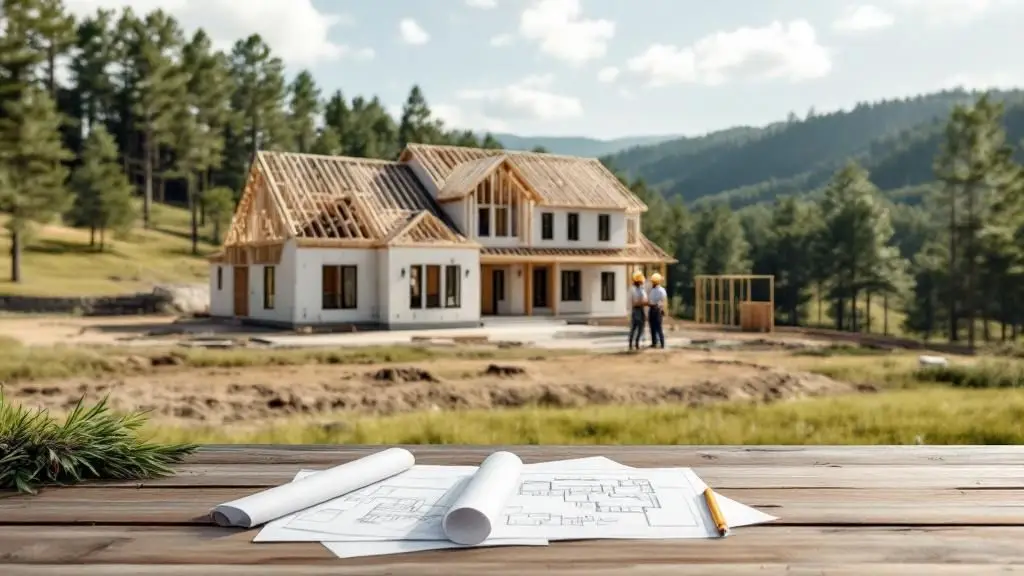
Picture this: a home built just for you, perfectly placed on a slice of North Carolina land that you hand-picked. That's the dream when you build on your lot in NC, and with the right partner, it’s a lot more doable than most people think. This isn't just about putting up walls; it's about crafting a legacy.
Your North Carolina Dream Home Journey Starts Now

Let's be real—the thought of building a custom home can feel like a mountain to climb. Your mind probably jumps straight to tangled blueprints, stacks of permits, and a million tiny decisions. But what if it could be genuinely exciting? With the right guide in your corner, it absolutely can be. We've created this guide to slice through the confusion and replace the builder-speak with a clear, actionable game plan.
Here at South Eastern General Contractors (SEGC), we've been bringing our clients' visions to life for over 21+ years. As a Native American-owned, 8(a), and HUBZone certified firm, our roots run deep in North Carolina communities from Fayetteville to Lumberton. We don't just put up houses. We build lasting relationships based on trust, total transparency, and a serious commitment to quality.
From a Sketch on a Napkin to a Family Heirloom
We recently worked with a family just outside Fayetteville who had a perfect example. They owned a gorgeous piece of land that had been in their family for generations, but they were stuck, hesitant to even start the process. They were worried about budgets spiraling out of control and felt like just another number to most builders.
So, our team sat down with them. We didn't just jump into floor plans; we talked about their family, their story, and what this home really represented.
"SEGC actually listened. They got that this wasn't just a house for us; it was our family's future. They treated our land and our vision with a respect we just hadn't found anywhere else." – Fayetteville Client
That collaborative spirit is everything to us. We walked them through every single phase, from checking out the site to handing over the keys, making sure they felt heard and in the driver's seat the whole time.
Our goal with this guide is to give you that exact same feeling of confidence. We want to prove that building a custom home on your own lot is a phenomenal opportunity to create a space that’s a true reflection of you. With an experienced, trustworthy team, the path to your dream home isn't just manageable—it's an incredible experience that leaves a legacy for your family.
So, Is Your North Carolina Land Really Ready to Build On?
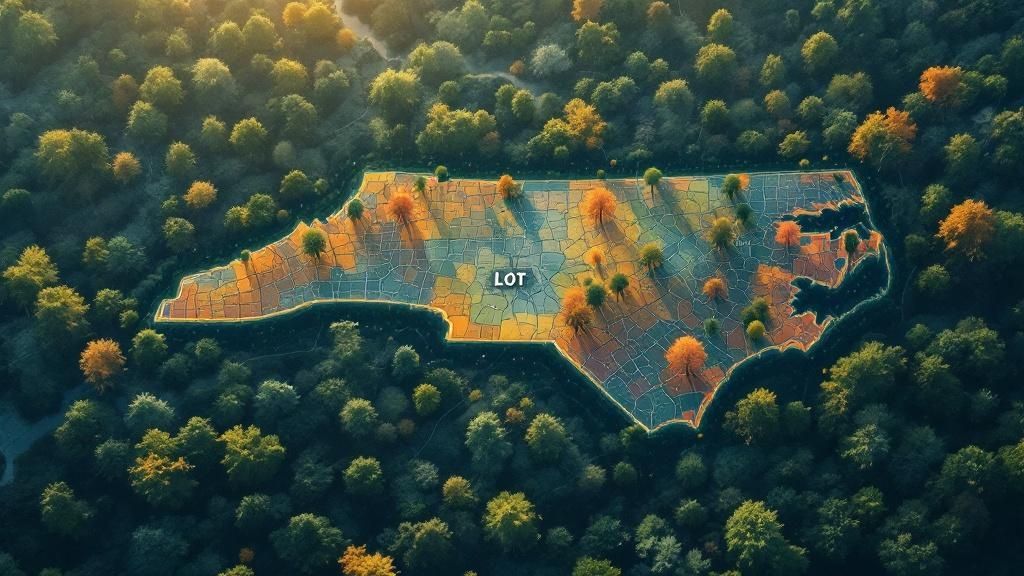
You found it. That perfect slice of North Carolina heaven you can call your own. The excitement is buzzing, but hold on just a second before you start pinning floor plans. You need to know what’s going on with that land—both on the surface and behind the scenes.
When you decide to build on your lot in NC, you’re not just a future homeowner; you’re a land developer. That means doing your homework is the single most important step toward building a legacy on a solid foundation.
Here at SEGC, we’ve spent 21+ years turning raw land into dream homes all over Fayetteville, Lumberton, and beyond. We’ve seen it all, and we guide our clients past the gorgeous views to inspect the nitty-gritty details that make a lot truly “build-ready.” And before any dirt can move, you have to get a handle on the financials, including understanding how land loans work.
Look Beyond the Trees and Property Stakes
The first hurdle involves the rules you can’t see. Think of them as invisible fences dictating what, where, and how you can build. If you ignore them, you're setting yourself up for expensive delays or, worse, a project that gets shut down completely.
Your due diligence should start with a deep dive into the local rulebook. Here's what you need to hunt down:
- Zoning Ordinances: Make sure your lot is actually zoned for a single-family home. It's not unheard of for a beautiful rural plot to be zoned for agriculture, which throws a whole different set of rules at you.
- Deed Restrictions & Covenants: These are private rules from past owners or developers. They can control everything from your home’s size and paint color to where you're allowed to park an RV.
- Easements: Does the power company have the right to drive across your property? Is there a shared driveway you didn't know about? Finding these now prevents huge design headaches down the road.
A Lumberton Story: The Case of the Hidden Easement
We had a client who just bought a great lot in Lumberton. The initial survey showed a standard utility easement along the road—no big deal. But when our team dug into the county records, we found a forgotten drainage easement cutting right through the best spot to build.
If they'd started building based on that first survey, their foundation would have been in violation. We're talking a costly tear-down and rebuild. By catching it early, we simply shifted the house plans, saving them a world of stress and protecting their investment. That’s the kind of diligent partnership we're all about.
The Real Cost of Getting Connected
In a planned neighborhood, utilities are just… there. But when you build on your own lot, especially in a more rural part of NC, getting connected is a major line item on your budget.
Just getting electricity can run from $2,500 to over $12,500. Seriously. The final bill depends on how far you are from the nearest power pole and whether you want the lines buried (pricier) or overhead.
And don’t forget water and sewer. If you can’t tap into municipal lines at the street, you’ll be paying for:
- A Well: This means drilling, installing a pump, and testing to make sure the water is safe to drink.
- A Septic System: This requires a percolation (or "perc") test to see if your soil can even support a septic field. A failed perc test can sometimes mean the lot is completely unbuildable.
Understanding the Ground Beneath Your Feet
Finally, the land itself has a story to tell. Its physical features will have a direct impact on your site prep costs and the kind of foundation you’ll need. That picturesque rolling hill might look amazing, but it could add thousands in extra grading work to your budget.
One of the smartest investments you can make is a professional geotechnical survey, which includes soil testing. This report reveals what your soil is made of and how stable it is. It gives your engineer the exact information needed to design a foundation that will keep your home standing strong for generations. As a HUBZone and Native American-owned firm, we believe that being good stewards of the land starts with understanding it inside and out.
So, What's This Really Going to Cost?
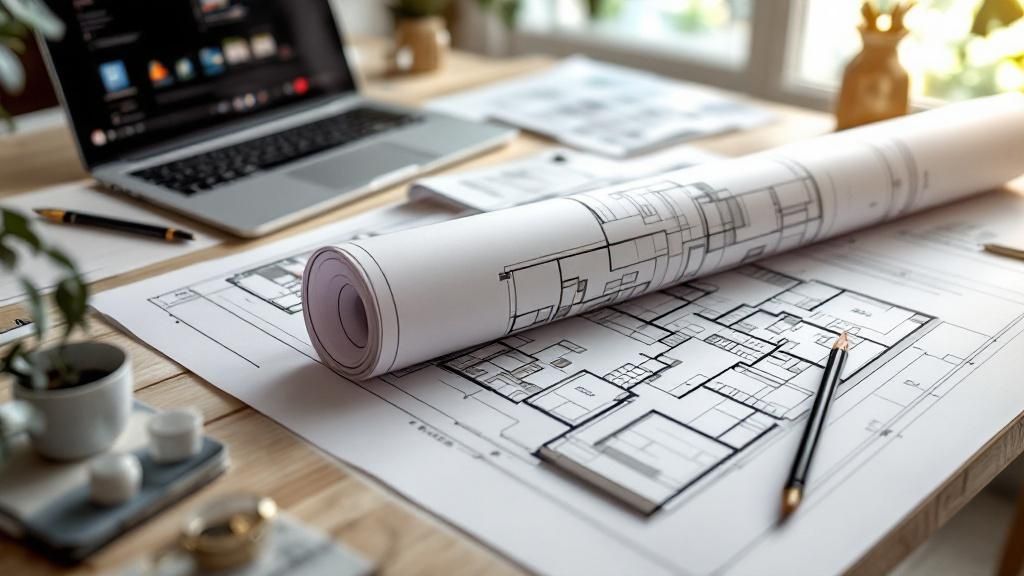
Alright, let's get down to the brass tacks: money. The moment you decide to build on your lot in NC, the budget question looms large. It’s tempting to latch onto a simple "price per square foot," but honestly, that number can be misleading. It’s just one tiny piece of a much bigger, more exciting puzzle. The real cost covers the entire journey, from our first handshake on your empty lot to the day we proudly hand you the keys.
After more than 21 years of managing custom home projects all over North Carolina, we've learned that total financial transparency isn't just good business—it's everything. Building a legacy for your family starts with building a budget you can actually trust. No smoke and mirrors, no last-minute surprises. We're here to pull back the curtain and show you the whole financial picture.
This means looking way beyond the sticks and bricks of the house itself. The true cost is loaded with critical expenses that happen long before the first wall goes up. We meticulously account for every single detail to craft a budget that’s realistic and comprehensive.
The Budget Hiding in Plain Sight
A huge chunk of your initial investment gets poured into preparing the canvas for your masterpiece—the land itself. These are often called "soft costs," and they're the budget items most people underestimate. But skimp here, and you're setting yourself up for headaches later.
A clear, honest budget must include:
- Land Prep: This is everything from clearing trees and grubbing out roots to grading the site for proper water drainage. Got a sloped lot? You might be looking at retaining walls, which can be a significant—and necessary—line item.
- Utility Connections: Just like we talked about, getting power, water, and sewer to your build site is a major expense. This can run from a few thousand bucks to tens of thousands, depending on how far you are from the main lines and what kind of terrain we have to cross.
- Permits and Fees: Every county and town in NC has its own menu of fees for building permits, inspections, and impact fees. We navigate this bureaucratic maze for you, but those costs are a very real part of your total investment.
- Architectural & Engineering: Whether you use our in-house design-build team or bring your own architect, professional plans and solid structural engineering are non-negotiable. They are fundamental investments in your home's safety and quality for decades to come.
Getting your head around these costs is the first major step. For a much deeper dive, we strongly recommend checking out our guide on understanding custom home builder costs.
Building Smarter, Not Cheaper
A builder who’s truly on your side isn't looking for ways to cut corners; they're looking for ways to maximize every dollar of your investment. It’s about smart, strategic allocation. This philosophy is baked into everything we do here at SEGC.
A Real-World Fayetteville Story: Smart Spending, Dream Kitchen
Not long ago, we were working with a family on a beautiful lot just outside Fayetteville. Their initial site plan, done by another firm, called for a massive and wildly expensive grading job. But after our team walked the property, we saw a much simpler, more elegant way to grade the land that would achieve the exact same result.
That one change saved them nearly $20,000. We immediately reallocated those savings straight into their interior finishes budget. The result? They got the high-end, custom-milled kitchen they’d been dreaming of without adding a single penny to their overall budget. That’s what a real partnership looks like. We protect your budget like it’s our own.
How to Fund Your Custom Home Journey
Financing a custom build works a little differently than buying a resale home. You’ll typically get a construction loan, which is a short-term loan that pays your builder in stages (or "draws") as construction milestones are hit. Once your home is finished, that loan gets rolled over into a regular, long-term mortgage.
It is absolutely vital to work with a lender who gets the ins and outs of projects where you build on your lot in NC. They understand the draw process and the unique financial rhythm of a custom build. As a long-standing builder in the Fayetteville and Lumberton communities, we have great relationships with local lenders who specialize in these loans and can connect you with the right people.
Interestingly, the custom home market often dances to its own beat. It tends to be less sensitive to interest rate hikes than the traditional housing market, reacting more to shifts in overall household wealth. This just goes to show the powerful, enduring appeal of creating a home that is perfectly and completely yours. You can even read more about these custom building trends to see the data for yourself.
At the end of the day, decoding the cost of your dream home comes down to having the right partner and a solid plan. With an expert guide by your side, you can move forward with confidence, knowing every dollar is accounted for and is working hard to build your family’s legacy.
How To Choose The Right North Carolina Builder
Let's be real: picking the person who will build your home is probably the single most important call you'll make in this whole adventure. This isn't like hiring someone to fix a leaky faucet. It’s more like choosing a business partner for one of the biggest financial and emotional investments of your life. When you decide to build on your lot in NC, you're handing over your dream, your budget, and your family's future to a builder.
This choice is the hinge on which your entire experience swings. The right builder turns a potentially stressful ordeal into an exciting, collaborative creation. The wrong one? Well, that's how dream homes become nightmares of blown budgets and endless delays.
We've been at this for over 21+ years at SEGC, building homes and businesses all across Fayetteville, Lumberton, and the surrounding regions. We've learned that the true foundation of any great project isn't concrete—it's trust. A rock-solid relationship between builder and client, built on total transparency, is what makes everything else work.
Look for More Than Just a Pretty Portfolio
A builder’s portfolio is a nice start. It shows you what they can do, but it only shows you the highlight reel—the finished product. It tells you nothing about the blood, sweat, and decisions that went into it. To really know if a builder is right for you, you have to look under the hood at their process, their values, and their reputation. For instance, getting a feel for understanding a design-build firm's philosophy can give you incredible insight into how they'll handle your project from the first sketch to the final walkthrough.
First things first, cover the basics. Is the builder fully licensed and insured to work in North Carolina? This is an absolute, no-exceptions deal-breaker. Then, look for signs of stability and a genuine connection to the community. At SEGC, our federal certifications—Native American-owned, 8(a), and HUBZone—aren't just fancy badges. They represent a proven history of accountability and a deep-seated commitment to the communities we live and work in.
Ask the Questions That Truly Matter
Once you've got a shortlist, it's interview time. This is where you find out if your personalities and expectations actually click. Ditch the generic "What's your price per square foot?" and dig into questions that reveal how they actually operate.
Here are a few questions I always recommend people ask:
- How do you keep me in the loop? Get specific. Ask about their system for progress updates, how often you'll meet on-site, and how they track changes and selections. A builder who prioritizes communication is a builder who respects you and your investment.
- Can I talk to your last three clients? And I mean the last three, not a cherry-picked list from five years ago. This gives you the unvarnished truth about their recent performance, from sticking to the budget to handling that final punch list.
- What does your warranty cover, and for how long? A builder who is confident in their work will have no problem standing behind it. Get the details on what’s covered, the process for a claim, and what their post-move-in support looks like.
“The team at SEGC was always available. We never felt like we were in the dark. If we had a question, we got a real answer, usually the same day. That level of communication built a foundation of trust that made the whole process feel secure.” – A Recent SEGC Client
For an even deeper dive into the vetting process, check out our guide on how to find a good contractor—it's packed with more tips.
The Power of Local Experience
North Carolina is growing like crazy, and the housing market is white-hot. This incredible demand fuels the custom home market as more people look to create a space that's uniquely theirs.
This table gives you a quick snapshot of the explosive growth in some of North Carolina's key counties.
North Carolina County Housing Growth Snapshot
| County | Housing Units Added | National Rank for Growth | Total Growth Since April 2020 |
|---|---|---|---|
| Wake | 17,000 | 6th | 3.4% |
| Mecklenburg | 14,000 | 8th | 3.1% |
| Brunswick | 8,000 | 17th | 8.0% |
| Johnston | 7,000 | 23rd | 7.2% |
This boom highlights why a builder with deep local roots is such a massive advantage. Someone who has spent decades building in places like Fayetteville and Lumberton knows the lay of the land—literally. They have relationships with the best local crews, they know the quirks of the county permitting offices, and they know exactly how to build a home that can handle a humid Carolina summer.
This local expertise isn't just a nice-to-have; it's a real asset that will save you time, headaches, and money.
Ultimately, choosing the right builder is about finding a partner who sees more than just a set of blueprints. You want a team that sees your legacy. Find the builder who will treat your dream with the respect it deserves and has the proven track record to bring it to life, beautifully.
The Build Process From Blueprint To Welcome Mat
Alright, this is where the fun really begins. You’ve picked your builder, your financing is locked in, and your land is ready for action. Now, we get to turn those paper blueprints into the place your family will actually call home. The whole construction journey can look a little intimidating from the outside, but trust me, with the right partner, it's a predictable and incredibly exciting adventure.
With over 21+ years under our belts building in communities from Fayetteville to Lumberton, we’ve learned a thing or two. Our whole philosophy is about pulling back the curtain and showing you exactly what’s happening. As a Native American-owned, 8(a), and HUBZone certified firm, we’re not just building houses; we’re building legacies. That all starts with a process built on pure, simple trust.
Laying The Foundation For Your Dream
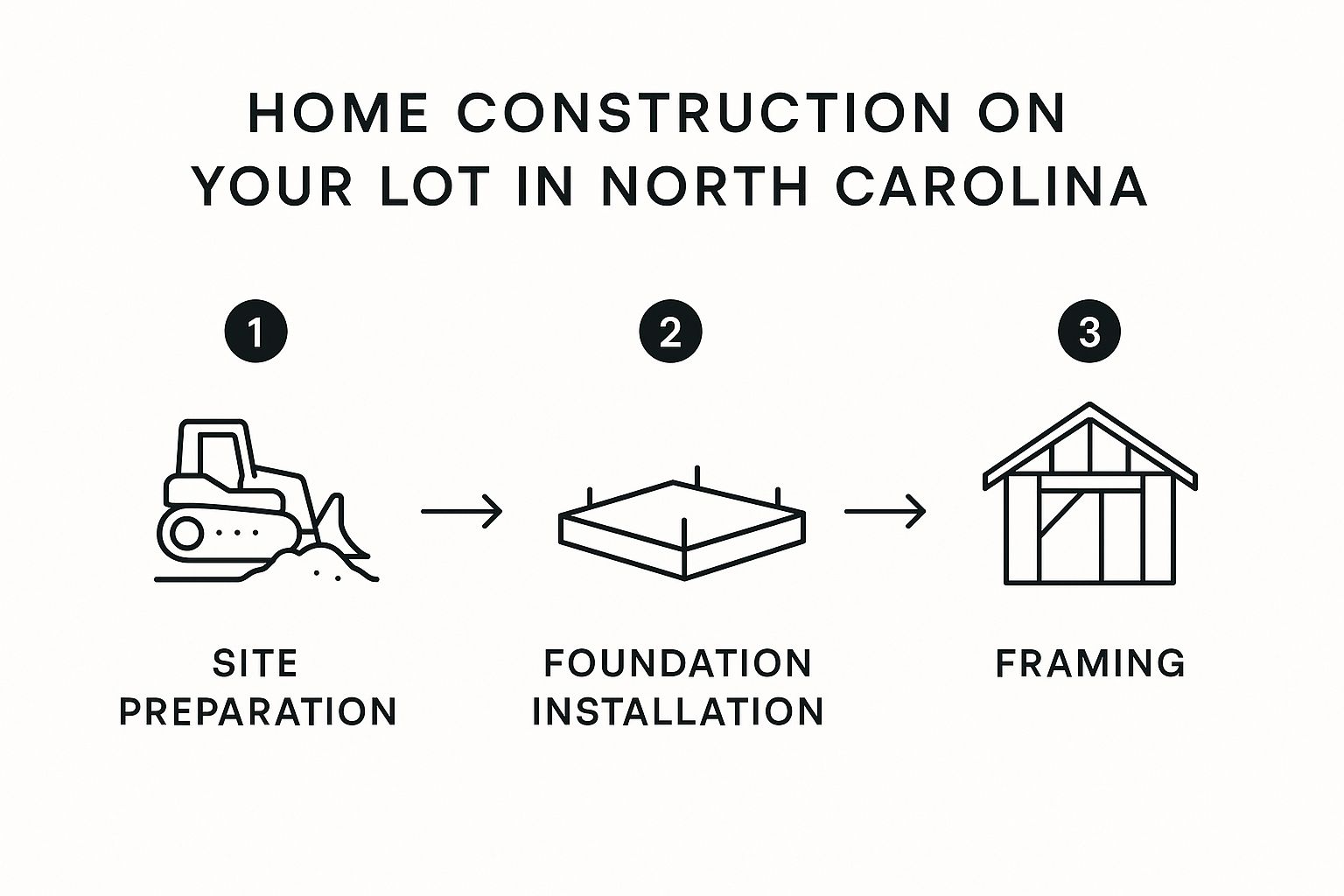
The first few steps on-site are easily the most important. This isn't just about moving dirt around; it's about precision and expertise that will support everything else to come. We don’t just clear a lot—we sculpt it to guarantee proper drainage and create the perfect pad for your new home.
Here's what that looks like in the real world:
- Site Prep: We bring in the equipment to execute the grading plan, making sure the ground is perfectly leveled and compacted. This is what your home will rest on for generations, so we get it right.
- Foundation Work: Whether you’ve chosen a slab, crawl space, or a full basement, our crews pour the concrete with meticulous care. It’s the literal foundation of your home, and we treat it with the massive respect it deserves.
This is the moment your property transforms from a patch of North Carolina soil into the recognizable footprint of your home.
From Skeleton To Systems
Once that foundation cures, things really start to pick up speed. All of a sudden, a structure starts rising from the ground. This is the framing stage, where we build the "skeleton" of your home—the walls, floors, and roof system. It’s a jaw-dropping moment for every homeowner, as you can finally walk through the rooms and feel the design come to life.
Next up, the house gets its vital organs. This "rough-in" phase is a carefully choreographed dance of skilled tradespeople installing the complex networks that live behind your walls:
- Plumbing lines for kitchens and baths
- The entire electrical grid, from outlets to light switches
- HVAC ductwork for year-round comfort
- Any special wiring for tech, audio, or security
Getting this right requires a ton of coordination, a skill our project managers have perfected over countless builds. We make absolutely sure every pipe and wire is exactly where it needs to be before a single sheet of drywall goes up.
The Art Of Communication And Keeping Things Moving
Let’s be real: a smooth build isn’t one where nothing ever goes wrong. It’s one where challenges are handled before they become problems. A solid week of Carolina rain or a supply chain snag for your specific windows doesn't have to throw the whole project off track. This is where a builder's experience is worth its weight in gold.
Knowing the financial side is just as important. For many, understanding the steps of navigating the VA construction loan process can be a huge part of a stress-free build.
Even with North Carolina's housing market showing signs of balancing out—active listings are up 25.7% and there's 5.7 months of inventory—building custom is still the best way to get exactly what you want.
A Quick Note From An SEGC Project Manager:
"My job is to be your go-to person, period. We schedule regular site meetings so you can walk through, see the quality for yourself, and ask anything. We want you to be informed and excited, not bogged down by logistics. We handle the storms—both the literal and figurative ones—so you can just enjoy watching your home come to life."
This open line of communication is everything. When things happen, you'll always know what's going on, why it's happening, and what we're doing to fix it.
Finally, we get to the finishes—insulation, drywall, paint, flooring, and all the fixtures that make the house uniquely yours. From that first day on-site to the final walkthrough where we hand you the keys, our goal never changes: to make this the incredible, legacy-building experience it’s meant to be.
Your Questions About Building In NC Answered
If you're thinking about building a custom home, you've probably got a notebook full of questions. After 21+ years helping families build on their own lots in NC, we’ve seen and heard it all. So, let's tackle some of the biggest questions we get from folks in places like Fayetteville, Lumberton, and all across the state.
How Long Does It Really Take To Build A Custom Home In NC?
There’s no single magic number, but you can generally expect the whole process—from the first sketch to getting your keys—to take between 9 and 18 months. It's a wide range for a reason. A complex architectural design will naturally take longer than a more straightforward one.
Other factors play a huge role, too. How fast can the county issue permits? Will we get a particularly rainy season? Are those custom-ordered windows on backorder? These are the real-world variables. At SEGC, we combat the unknown by handing you a detailed project schedule right at the start. No guesswork, just a clear roadmap of what to expect and when.
I Already Have A Floor Plan. Can You Build It?
You bet. We love it when clients come to us with plans they're passionate about, whether it's from an architect you've hired or a stock plan you found online and fell for.
Think of us as your reality-check partners. We’ll take that dream plan and make sure it works in the real world—on your specific piece of land, within your budget, and up to snuff with every last North Carolina building code. Our expertise is in translating that vision on paper into a beautiful, solid home that stands the test of time.
What Are The Biggest Hidden Costs I Should Brace For?
If there's one area that can ambush a budget, it's preparing the land itself. All the work that happens before we even think about pouring the foundation is where the biggest financial surprises usually hide.
Keep a close eye on these potential budget-busters:
- Serious Tree Clearing: A beautifully wooded lot is a dream, but clearing it can be a significant cost.
- Heavy-Duty Grading: If your lot is on a steep slope, we might need to move a lot of dirt or even build retaining walls to create a flat, stable spot for your home.
- Bad Soil: Sometimes, the soil just isn't right for a foundation. If tests show it's too unstable, we'll have to fix it or replace it, which adds to the bottom line.
- The Long Haul for Utilities: The further your house sits from the main road, the more it costs to run power, water, and sewer lines. That trenching adds up fast.
The best way to avoid these gut-punch surprises is with a professional site evaluation. It’s a non-negotiable part of our process at SEGC. We uncover these costs before we finalize the budget, so you have a true, all-in number from the get-go.
How Is Financing A Custom Build Different From Buying A House?
This is a big one. You don't get a normal mortgage for a house that doesn't exist yet. Instead, you'll get a construction loan.
It's a short-term loan designed specifically to cover building costs. The bank doesn't just hand the builder a big check; they release the money in stages (called "draws") as we hit specific construction milestones. Once the house is finished and you have the certificate of occupancy, that construction loan gets paid off and rolled into a familiar, long-term mortgage.
Because we have deep roots in North Carolina, we can point you to great local lenders who are pros at construction financing and make the whole process feel much less intimidating.
At South Eastern General Contractors, we're not just putting up walls; we're building the place your family will call home for generations. If you’re ready to talk about making your vision a reality on your special piece of North Carolina, our team is here to guide you with the honesty and expertise you deserve. Let's build your legacy together.